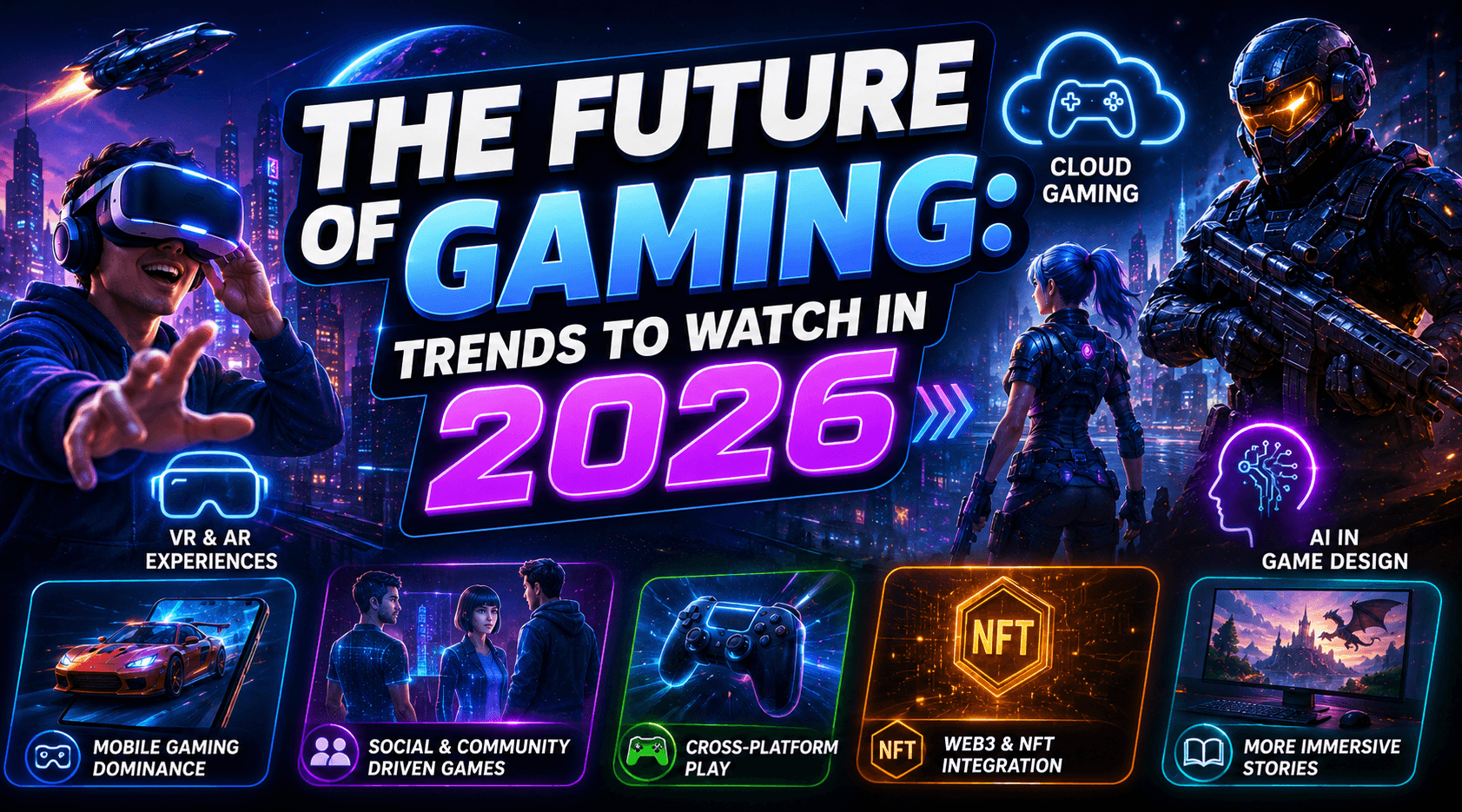
Predicting gaming is a mug's game, but a few shifts are already visible enough to bet on.
Instant play keeps winning
The gap between wanting to play and playing keeps shrinking, and every year more of the market moves toward things that start in seconds. Browser games have always worked this way; the rest of the industry is slowly catching up through streaming, demos and smaller install sizes.
Attention is the scarce resource now. A game that takes twenty minutes to install and update is competing with one that takes two seconds to open.
Smaller games, more of them
Budgets at the top end have grown to the point where fewer studios can afford a failure, and the interesting design is increasingly happening below that tier. Short, focused games — two hours, one idea, done well — are finding real audiences.
That's good news for players. More releases, more variety, and less pressure to commit a hundred hours to anything.
Play anywhere, continue anywhere
Cross-device continuity is becoming the default expectation: start on a laptop, pick it up on a phone, keep your progress either way. For web games this is nearly free, which is one reason the format keeps expanding.
The flip side is that anything requiring an account to sync will keep asking for one. Expect more games to trade convenience for a sign-in.