
A casual game has to make sense before you've decided whether you're interested. That constraint produces some of the most elegant design around.
Design you don't have to learn
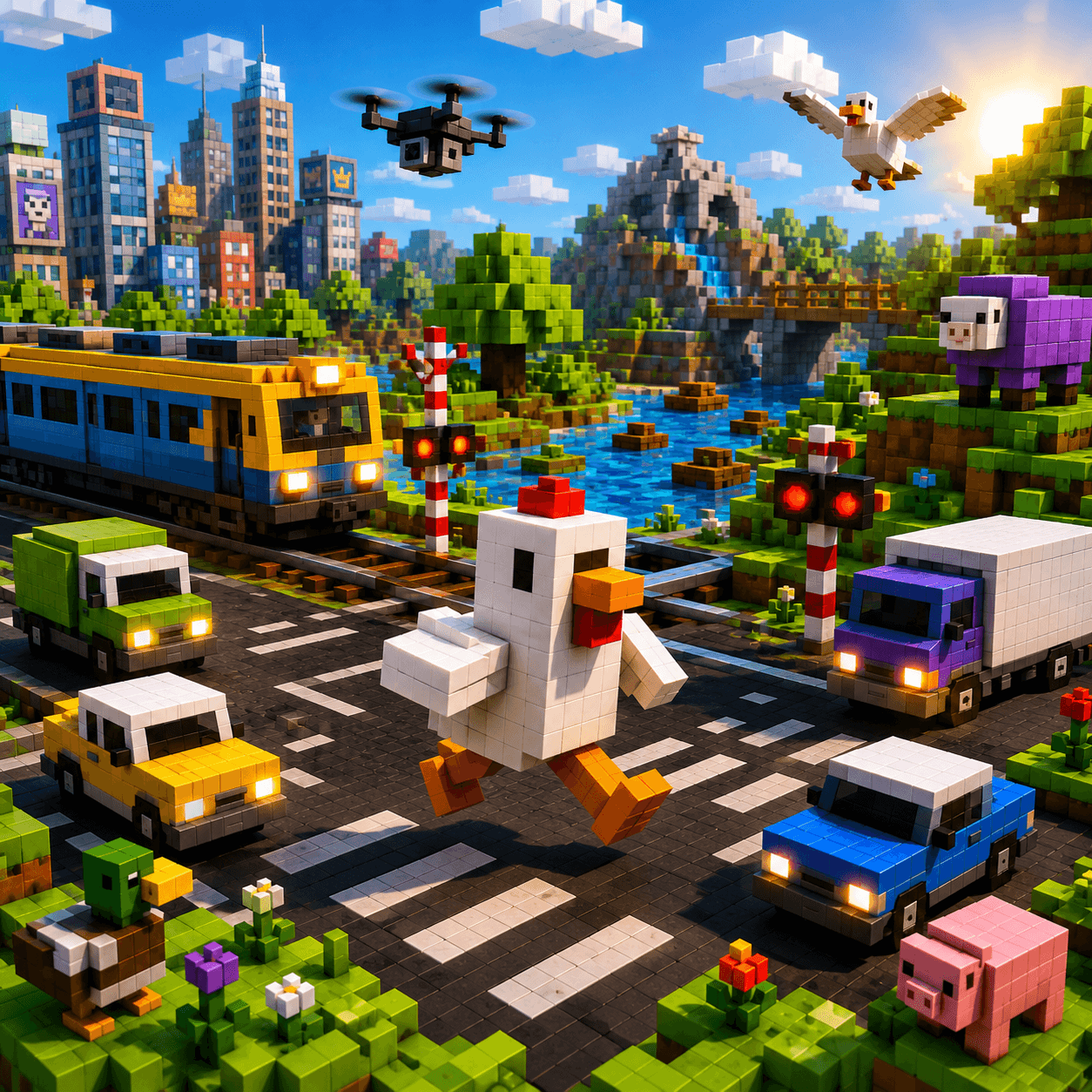
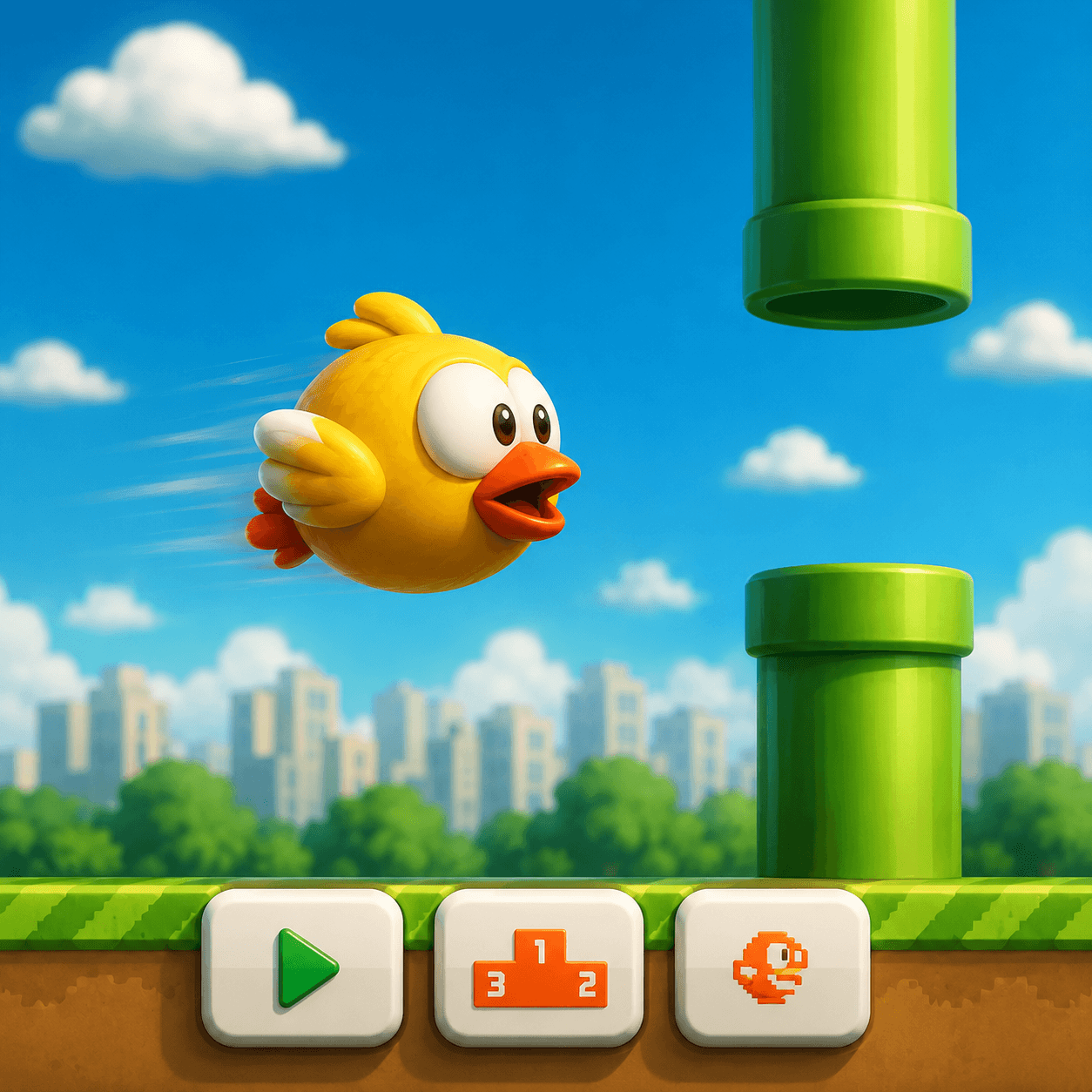
The best casual games teach through the first few seconds of play rather than through a tutorial. One input, an obvious goal, and immediate feedback on whether what you did was right. If a game needs to explain itself, it has already lost half its audience.
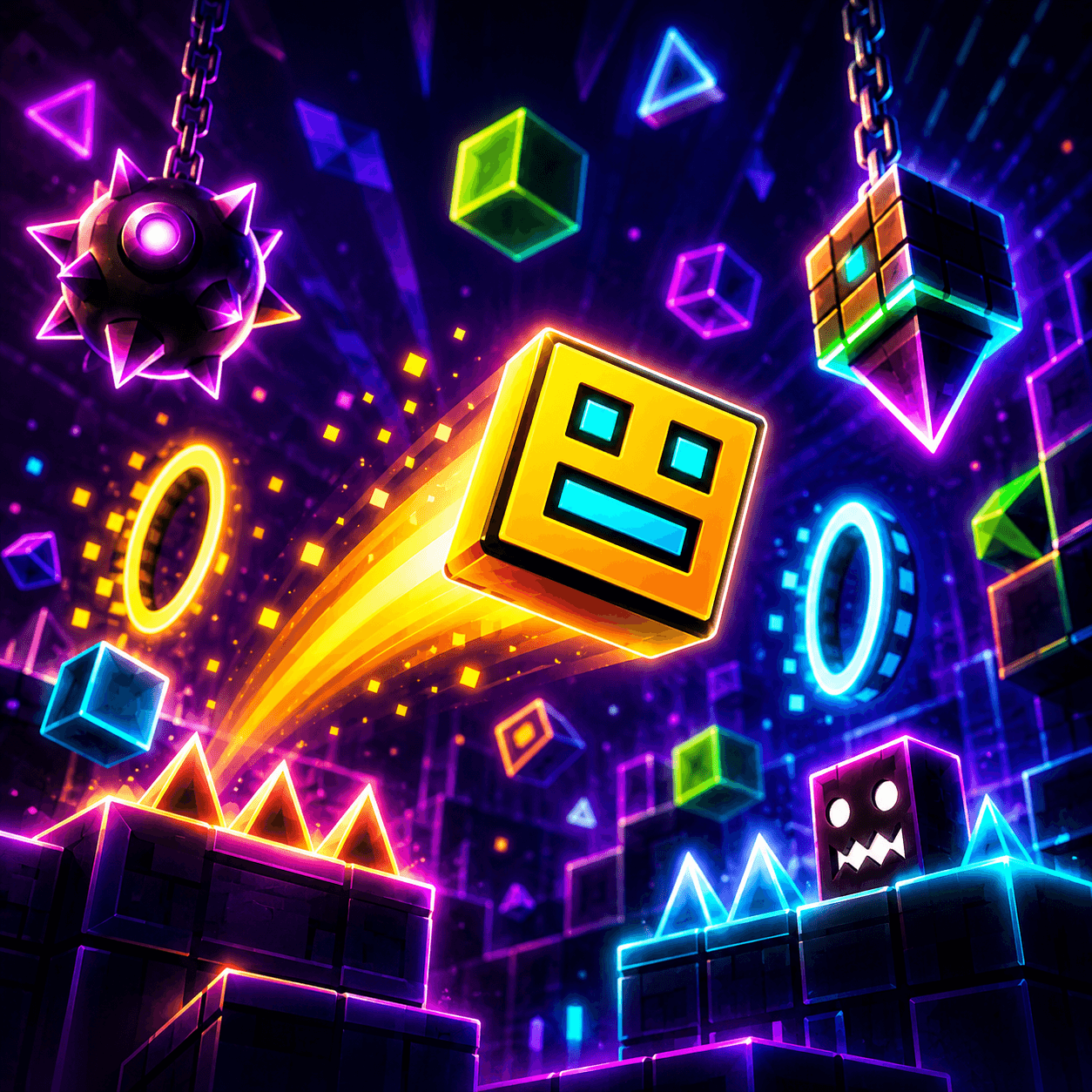
Simplicity isn't the same as shallowness. Plenty of one-button games hide a real skill ceiling — they're just generous enough that you can enjoy them long before you reach it.
Why five minutes becomes thirty
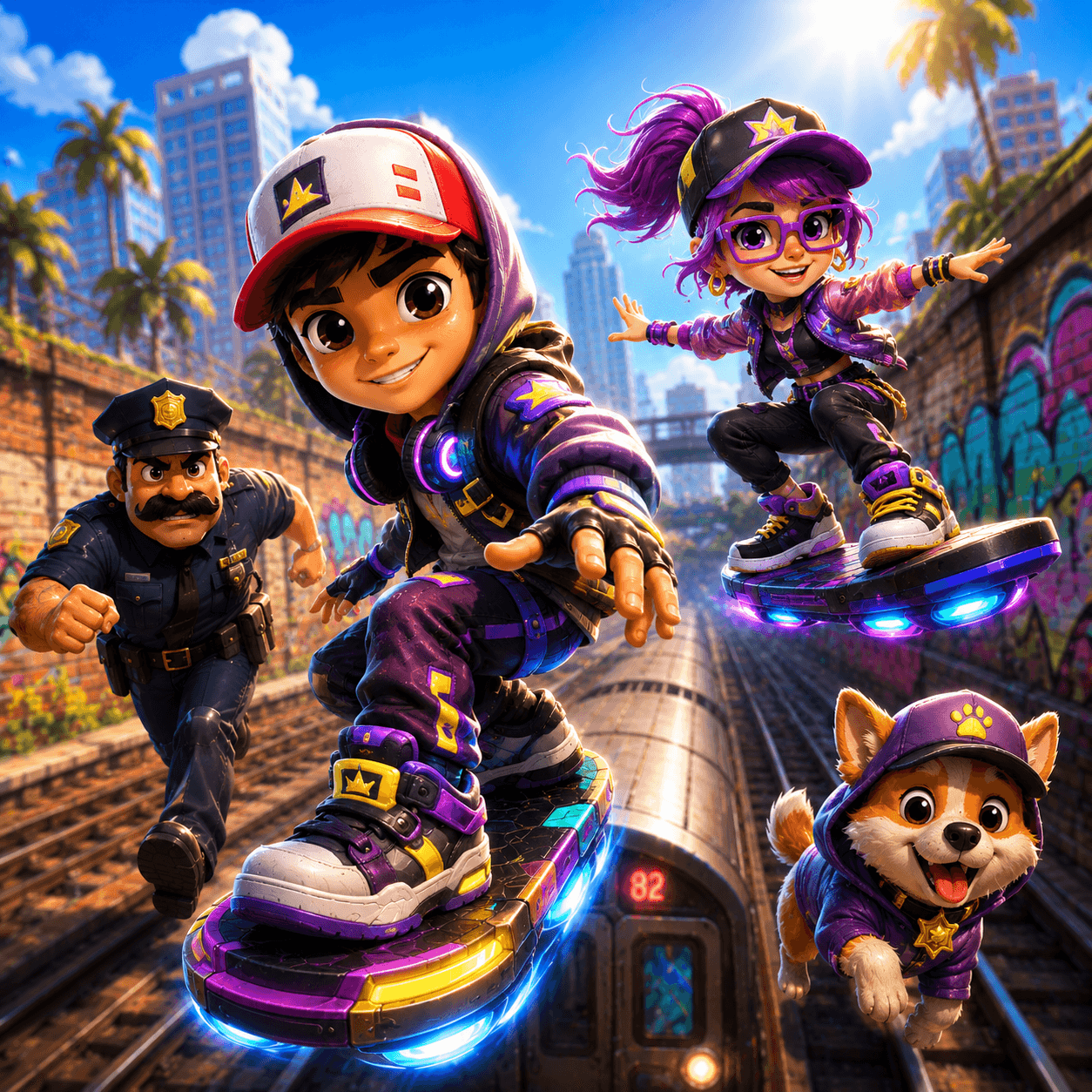
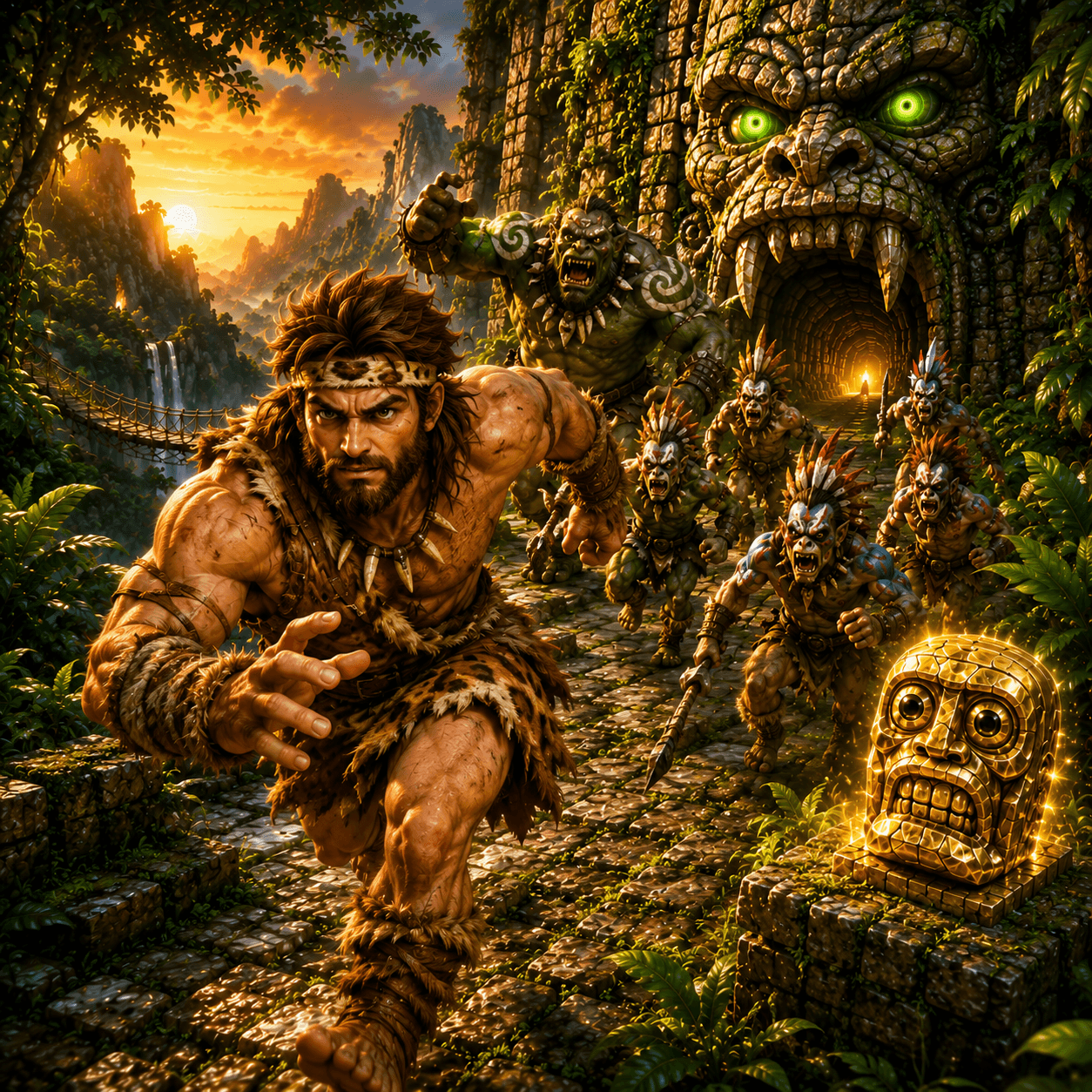
Short sessions and instant restarts. When a run lasts ninety seconds, there's never a good reason to stop after a bad one, and the next attempt always starts before the decision to quit gets made.
Add a visible personal best and the loop closes. You're not playing the game any more, you're playing against the number you set ten minutes ago.
Good picks for a break
Look for games that end cleanly rather than ones that keep going forever. A title with a defined run — a score, a lap, a level — gives you a natural place to stand up, which matters if you only meant to take five minutes.
Merge, match and one-button reflex games are the reliable choices here: quick to grasp, quick to finish, and easy to leave mid-progress without losing anything.