
Puzzle games are the quiet corner of the arcade: no timers breathing down your neck, just you and a problem that has exactly one satisfying answer.
The main puzzle families
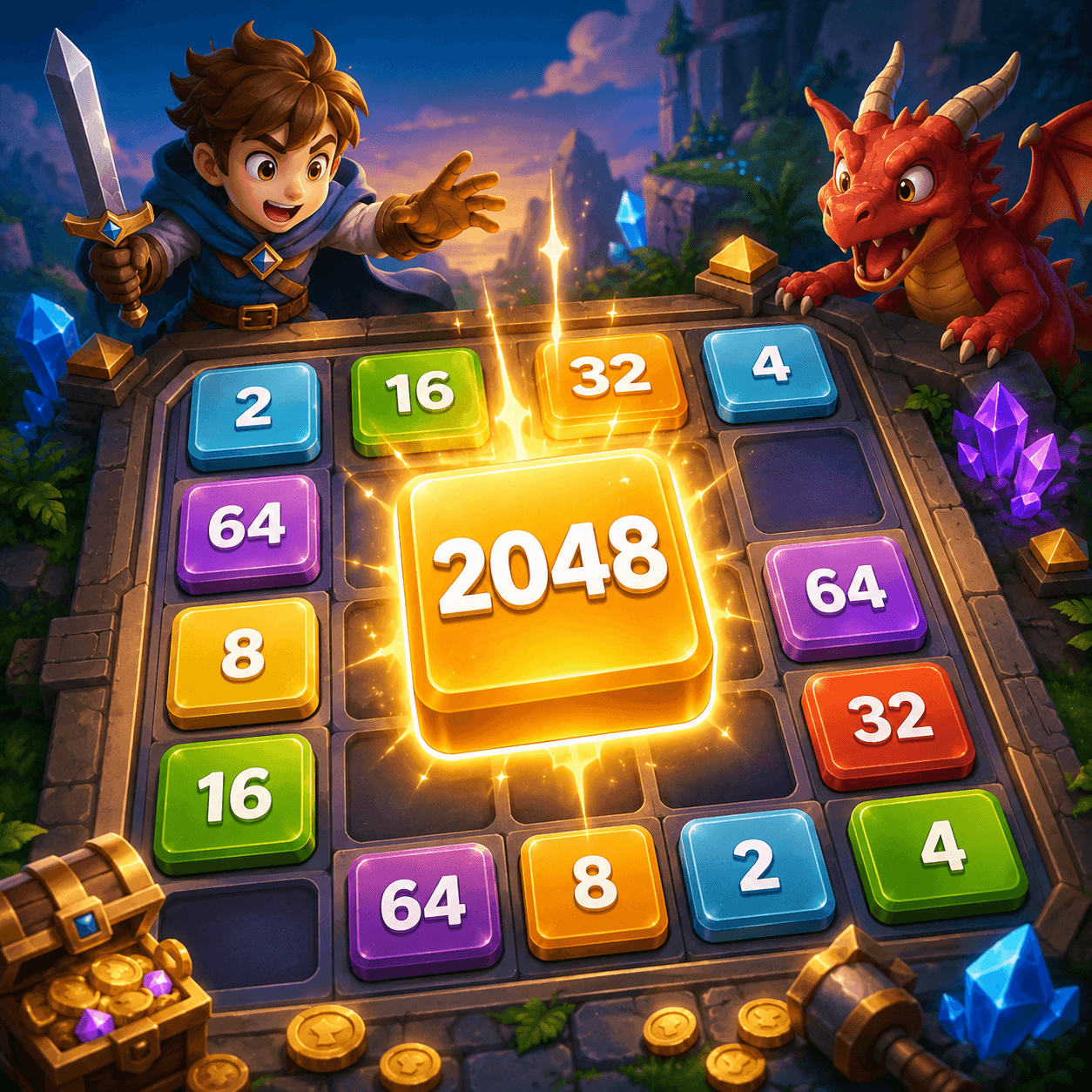
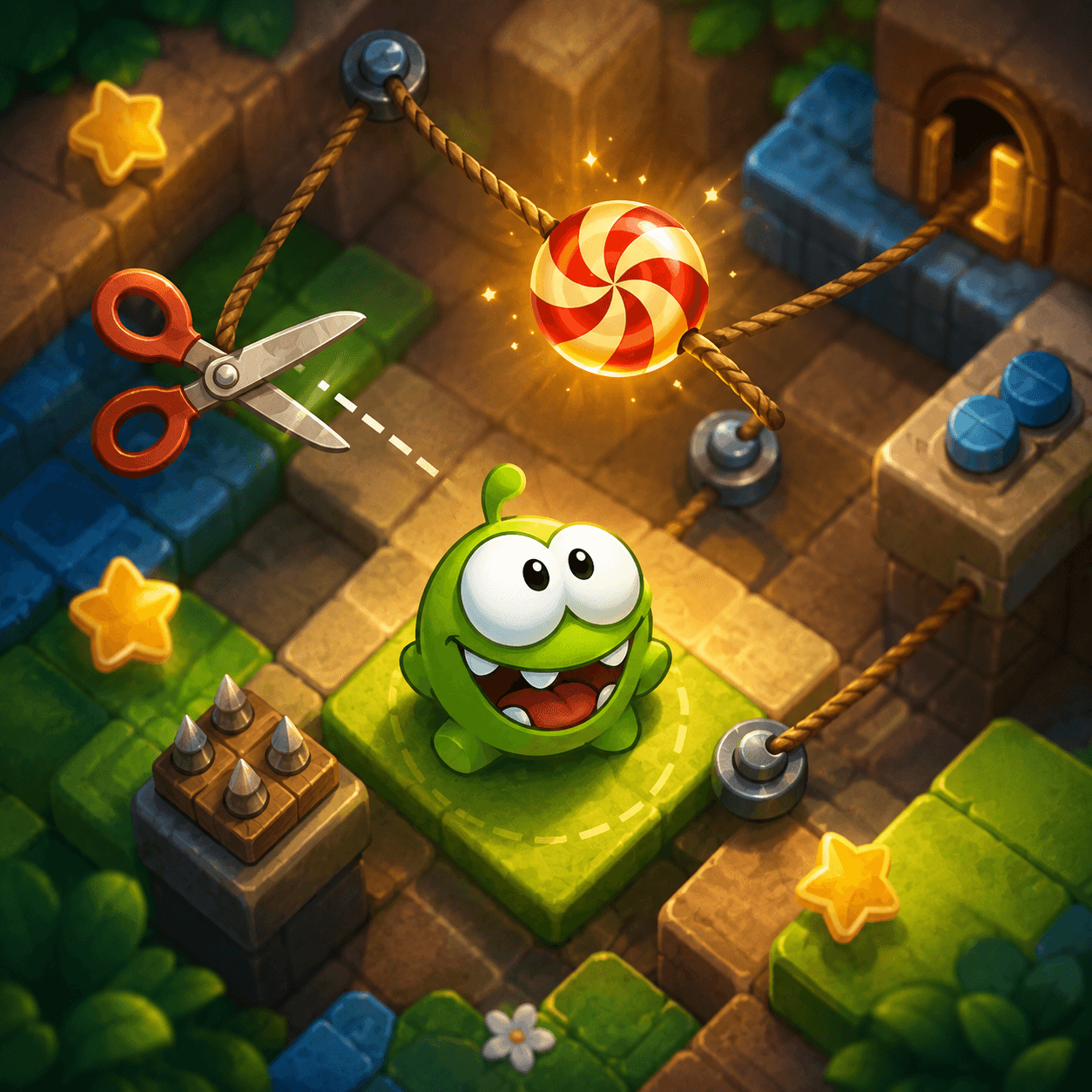
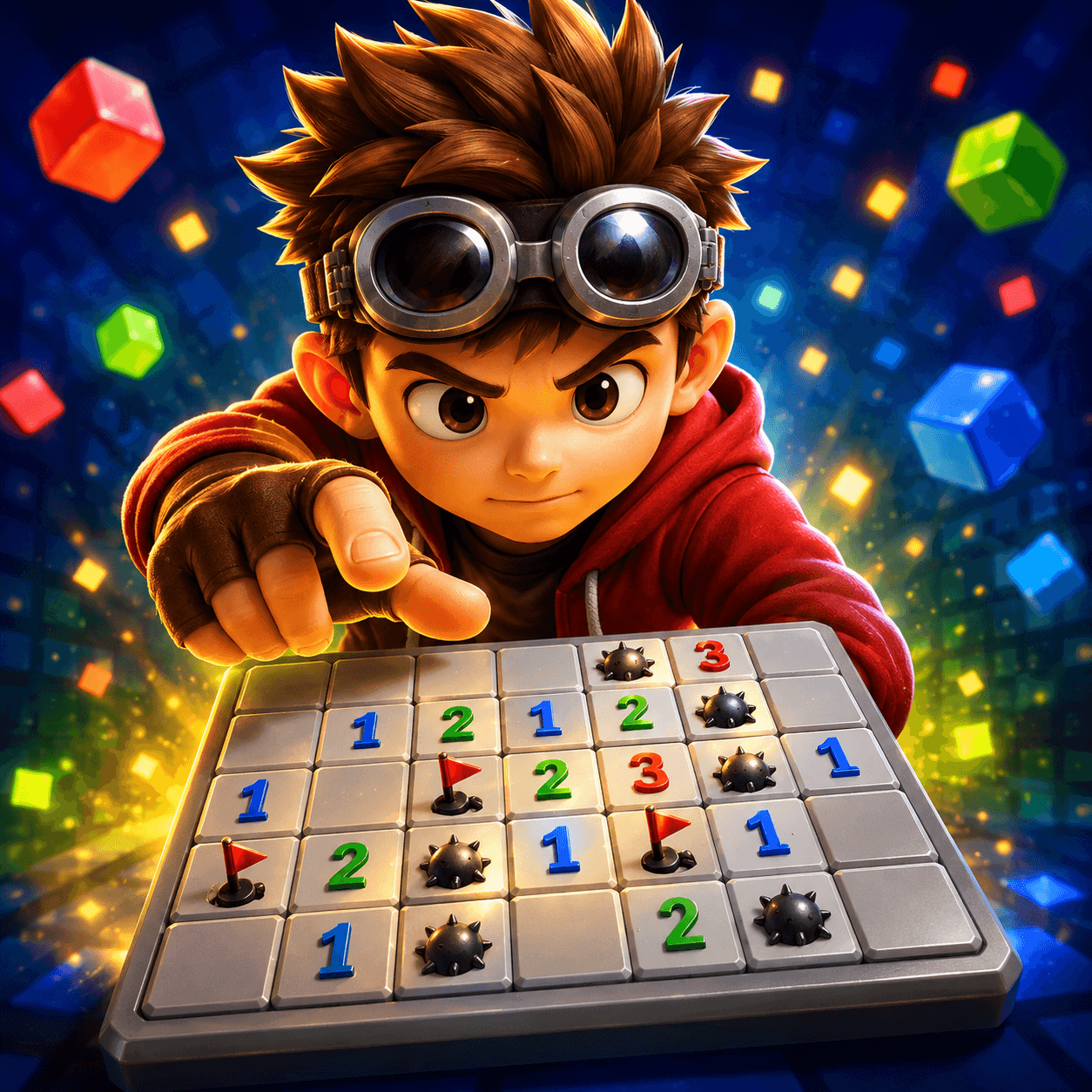
Number and merge puzzles reward planning several moves ahead and keeping your board tidy. Physics puzzles ask you to predict how objects will behave before you commit. Logic and deduction games hide everything you need in plain sight and let you reason your way to certainty.
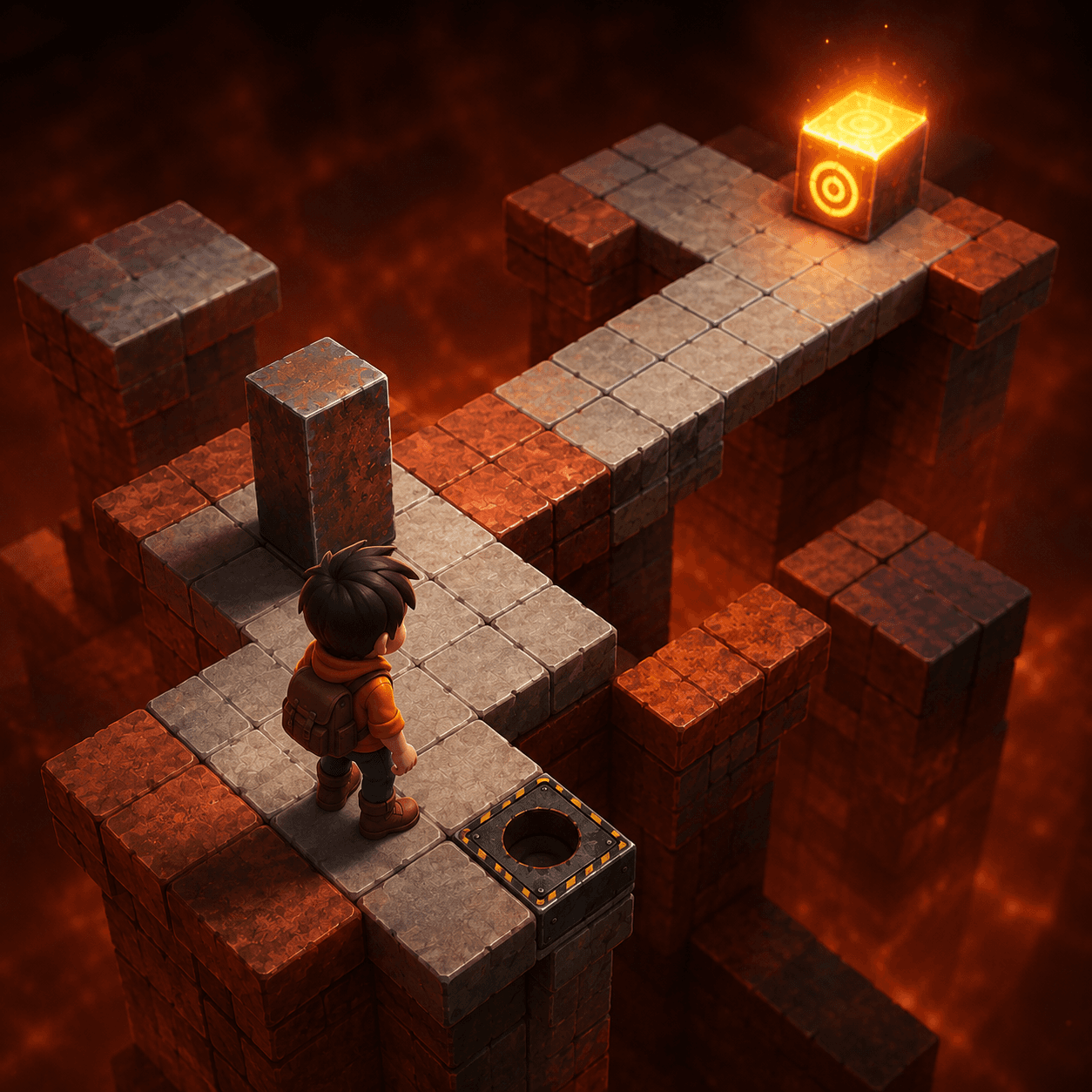
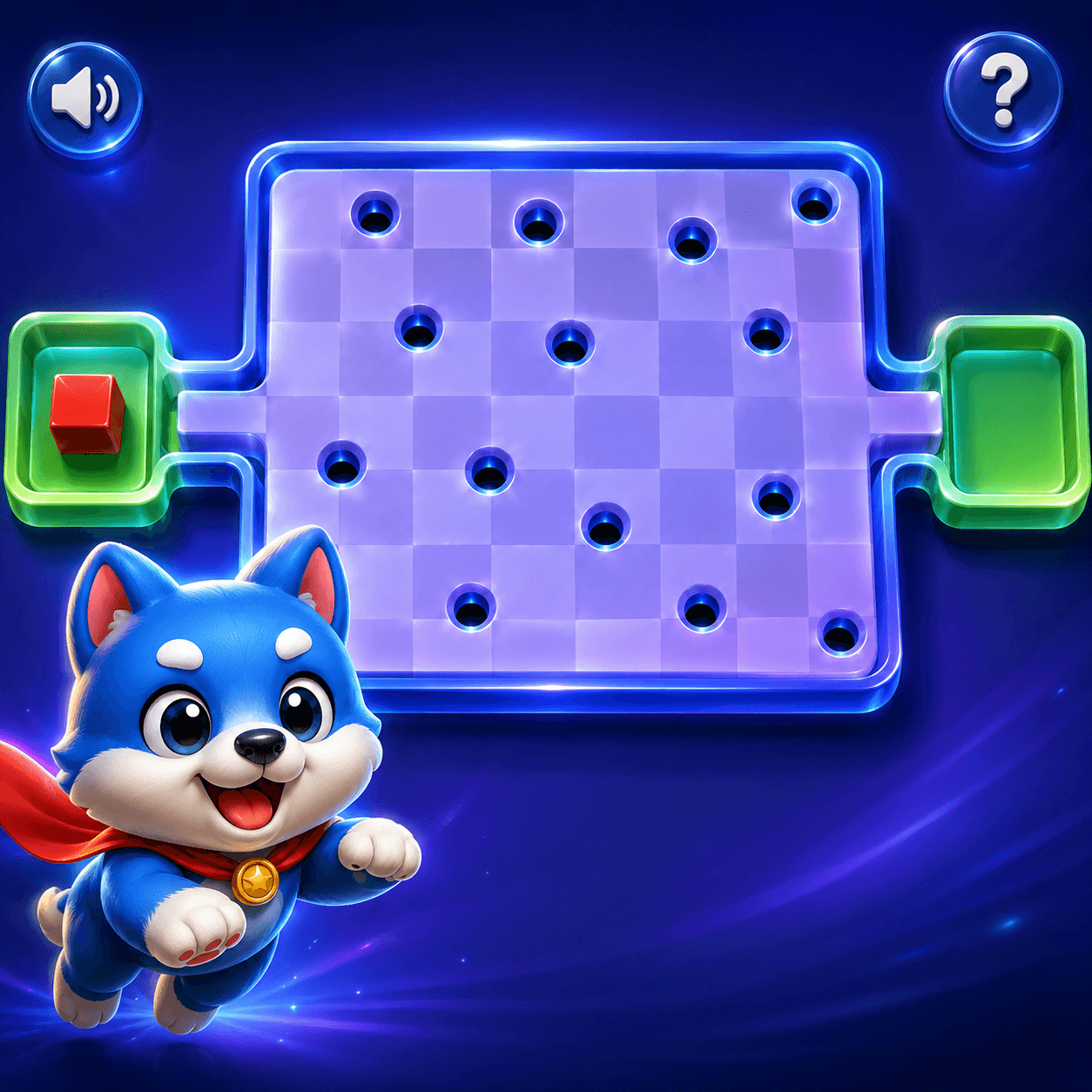
Spatial puzzles — rolling, folding, routing — are the ones people either love instantly or find impossible, because they lean on a kind of mental rotation that varies a lot between players. All of them are worth trying before you decide which is 'your' type.
Do they actually train anything?
Honestly: mostly they train you at that puzzle. The research on broad 'brain training' benefits is thin. What puzzle games reliably build is patience, pattern recognition within a system, and the habit of thinking a move ahead instead of reacting.
That's not nothing. The mindset of pausing to plan before acting transfers a lot better than any specific mechanic does.
Getting past a hard level
Work backwards from the goal. Ask what the final move must look like, then what would have to be true immediately before it — most difficult levels collapse quickly once you fix the ending.
And keep your options open. In merge and sliding puzzles, the losing move is almost always the one that fills your last piece of free space for a small immediate gain.